
Design
Architect journeys
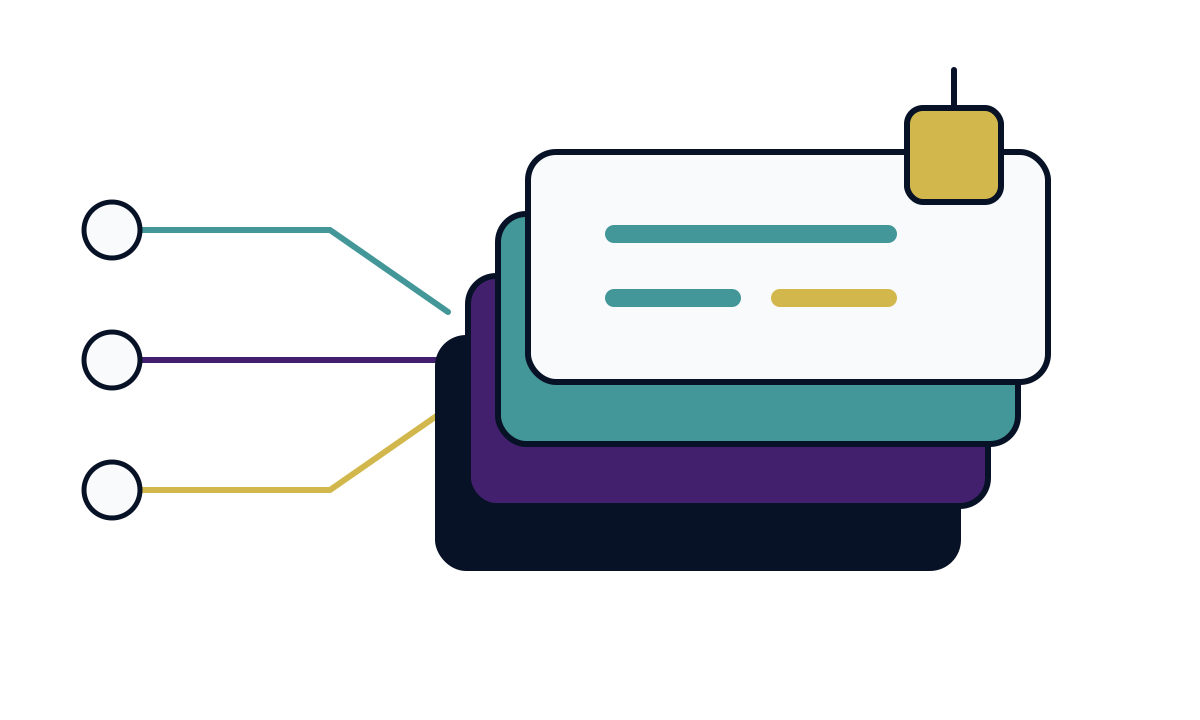
Author choice, written, coding and rubric-based tasks, then review and freeze the content used for delivery.
Product tour
Follow the complete workflow: design governed assessments, deliver a calm candidate experience, review evidence and act on capability gaps.
01 / The workflow
Follow the assessment lifecycle without losing the policy, evidence or person responsible at each hand-off.
Author choice, written, coding and rubric-based tasks, then review and freeze the content used for delivery.
Deliver scheduled or adaptive assessments from reviewed content, with durable answer saving and controlled item exposure.
Automated objective scoring with AI-assisted drafting and mandatory human reviewer approval.
Published, relevant evidence informs scoped capability views and human-reviewed development priorities.
02 / Candidate experience
Readiness, monitoring, saved progress, time and submission state remain visible throughout the assessment.
03 / Evidence
Capability views preserve evidence type, reviewer state, threshold and date instead of presenting an unexplained composite.
Illustrative view with fictional values. Evidence thresholds are review criteria, not psychometric validation or confidence scores.

Assess higher-order thinking against explicit, reviewable criteria.

Use performance signals to identify the most relevant next development step.

Evaluate situational decisions through role-shaped scenarios and rubrics.
The product tour follows the record from assessment design through delivery, evaluation, publication and action. Each view shown here is representative rather than an interactive production tenant.
Connected assessment
Private learning, reviewed delivery and scoped workforce evidence serve different purposes. The platform keeps those purposes clear as people move from practice to formal assessment and development.
Publish dedicated practice material with owner-only feedback. Learning sessions stay outside formal grades, certificates and capability ratings.
Freeze reviewed questions, keys and retained media at publication. Later authoring changes leave released assessment content intact.
Use frozen adaptive pools with minimum-pool checks and shared exposure limits. An exhausted pool cannot silently complete an assessment.
Use relevant published evidence for employee development, current manager access and privacy-protected population views. Applicant results remain separate.
Private practice supports standalone text choice, ordering and fill-in-the-blank questions. Feedback belongs to the participant and does not create formal results, certificates or workforce capability ratings. Available languages, adaptive delivery and integrations depend on the configured assessment and deployment.
Ready when you are
Bring a real role, cohort or academic programme and we will map it through the platform.
Book a demo View sample reportAccessibility
Customize your experience to improve readability and accessibility.
This website provides keyboard navigation, visible focus indicators and display preferences for links, text spacing, full text and motion. Your display choices are stored in this browser. If you encounter a barrier, please tell us which page and which assistive technology you were using.
hello@nirvanaintellect.com History stays in this browser tab only. Do not share personal or confidential information.

